A pillowcase handles the surface you sleep on. A well-chosen protector adds a washable layer underneath, helping your pillow stay cleaner through everyday use.
The right cover depends on what you need to keep out. A cotton barrier for ordinary wear is a different purchase from a waterproof encasement for spills. Our seven selections cover both, plus a quilted option for readers who want a little more structure. We explain which features are documented and where personal comfort, fit and care still need your attention.
These are research-based reviews; we have not physically tested these products.
A zippered cover is not automatically waterproof or a verified bed-bug barrier. Check the exact product claim and construction. A protector also does not replace washing your pillowcase, caring for the pillow itself, or addressing an existing pest problem.
Three places to start
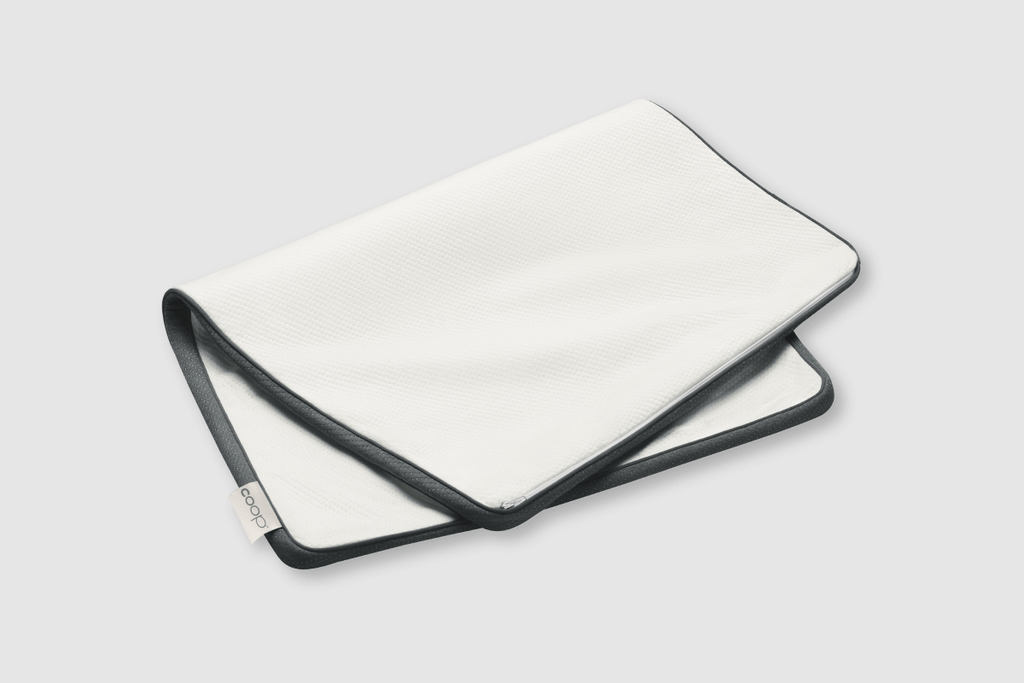
Coop Ultra-Tech
A washable moisture barrier with shape options that help match the pillow underneath.
Find on Amazon Read our review →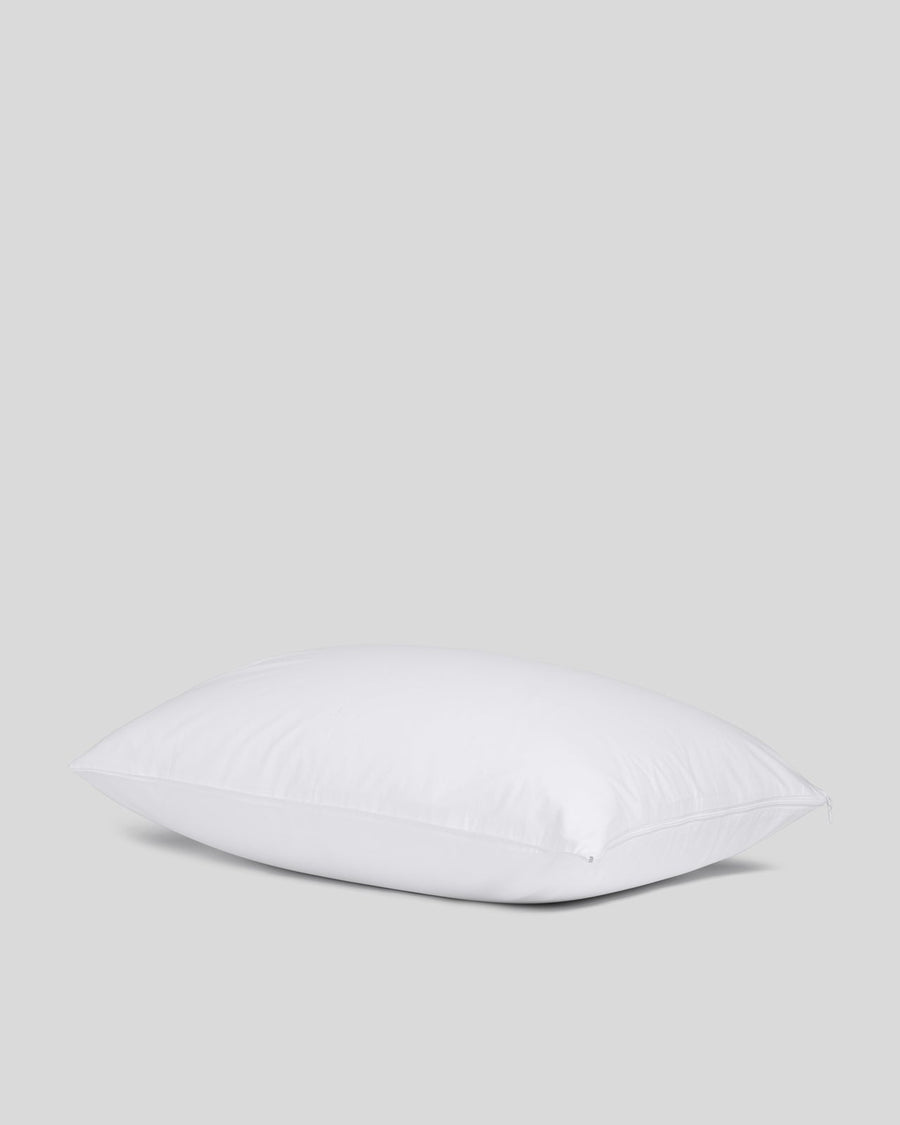
Parachute Cotton
A straightforward cotton cover for readers who prefer a fabric layer over a waterproof membrane.
Find on Amazon Read our review →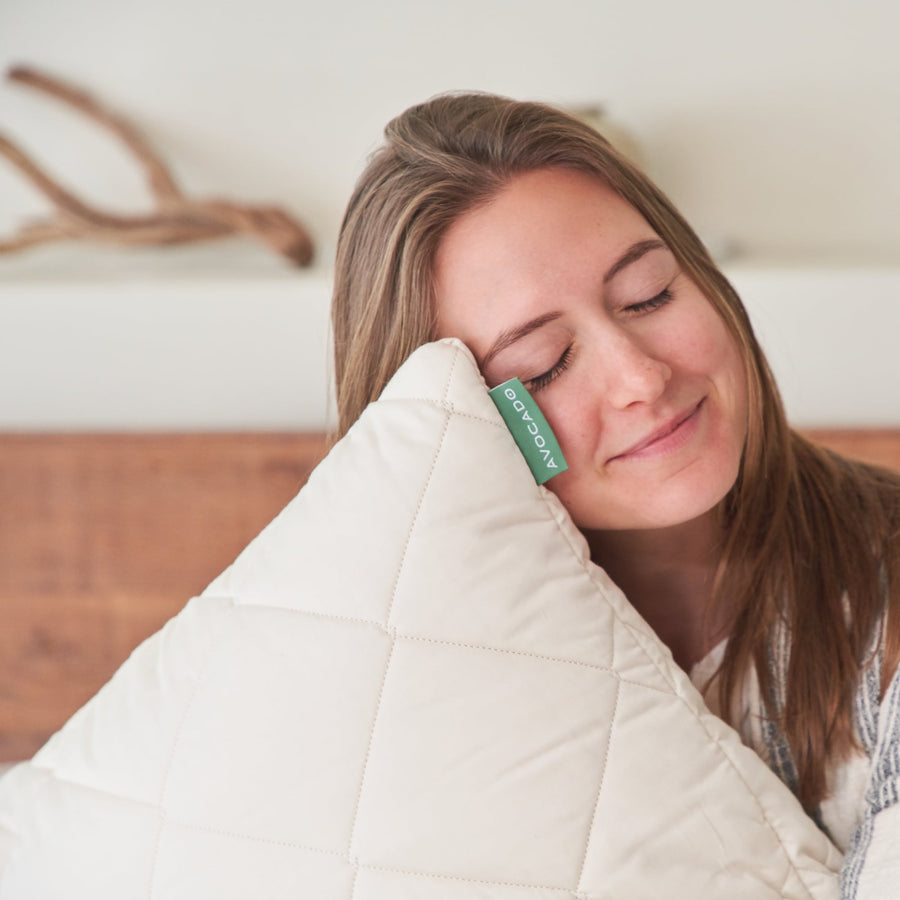
Avocado Quilted
A more substantial cotton layer for readers who want cushioning as well as everyday protection.
Find on Amazon Read our review →Compare our seven picks
Choose the type of protection first, then match the dimensions and shape to your pillow. Pack sizes and versions below identify the products discussed; verify the selected listing before ordering.
| Our pick | Best for | Selected version / details | Shopping options |
|---|---|---|---|
| 01Coop Ultra-Tech | overall waterproof option | Classic shape; select Queen or KingPolyester/rayon blend with polyurethane backing | Find product |
02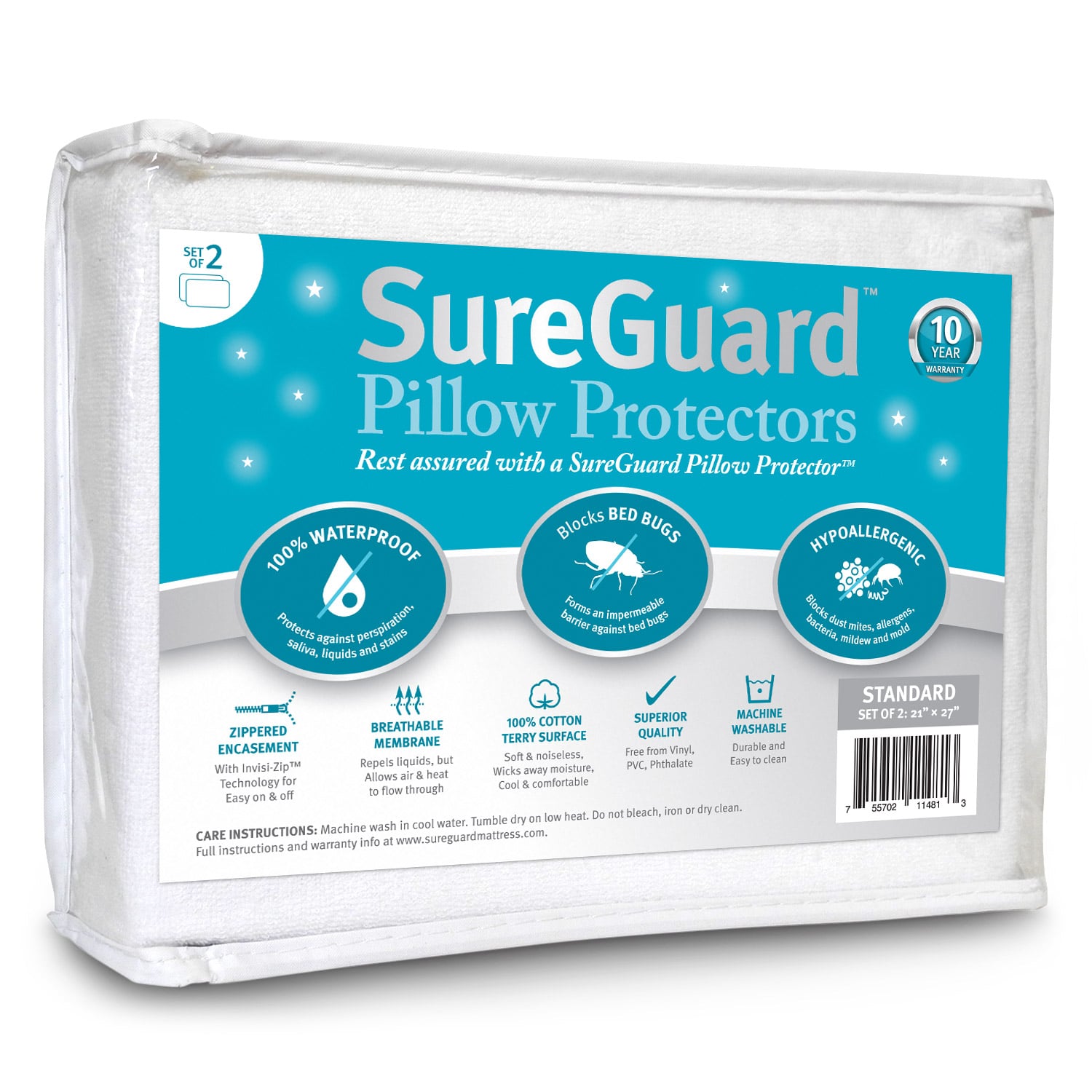 SureGuard Cotton Terry | waterproof two-pack | Standard, set of 2Cotton terry surface with waterproof backing | Find product |
| 03Parachute Cotton | simple cotton option | Standard100% cotton barrier fabric; nylon zipper | Find product |
04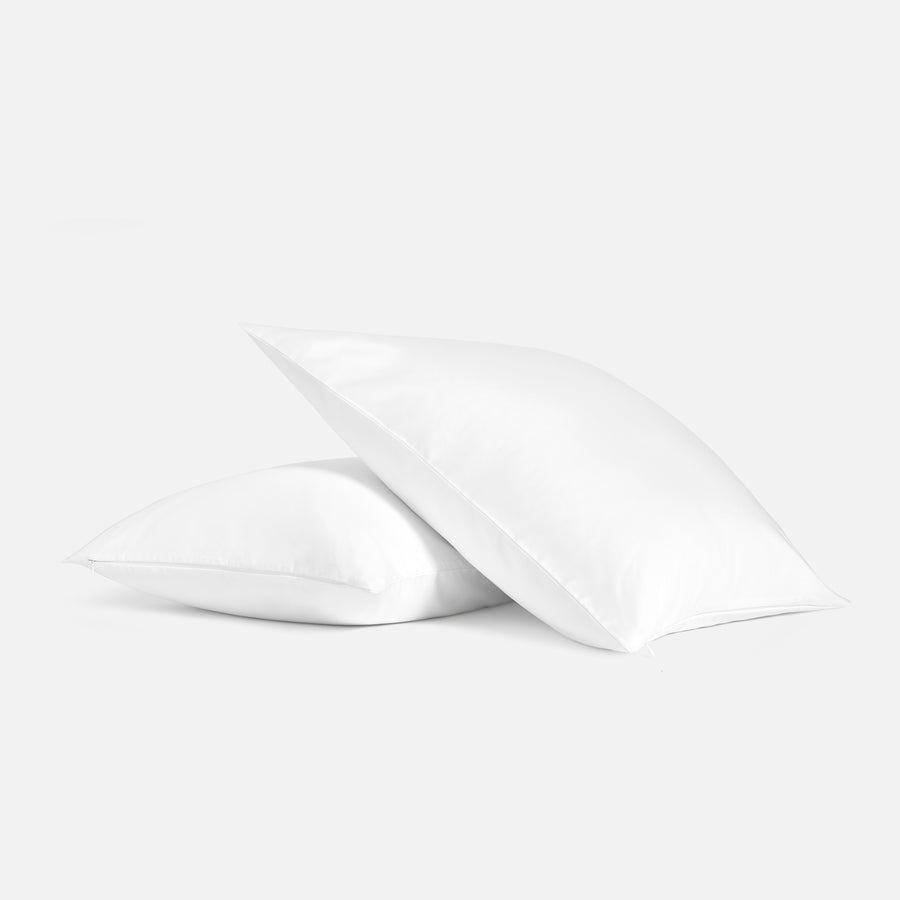 Brooklinen Pillow Protector Set | smooth fabric set | Standard set500-thread-count sateen; concealed zipper | Find product |
05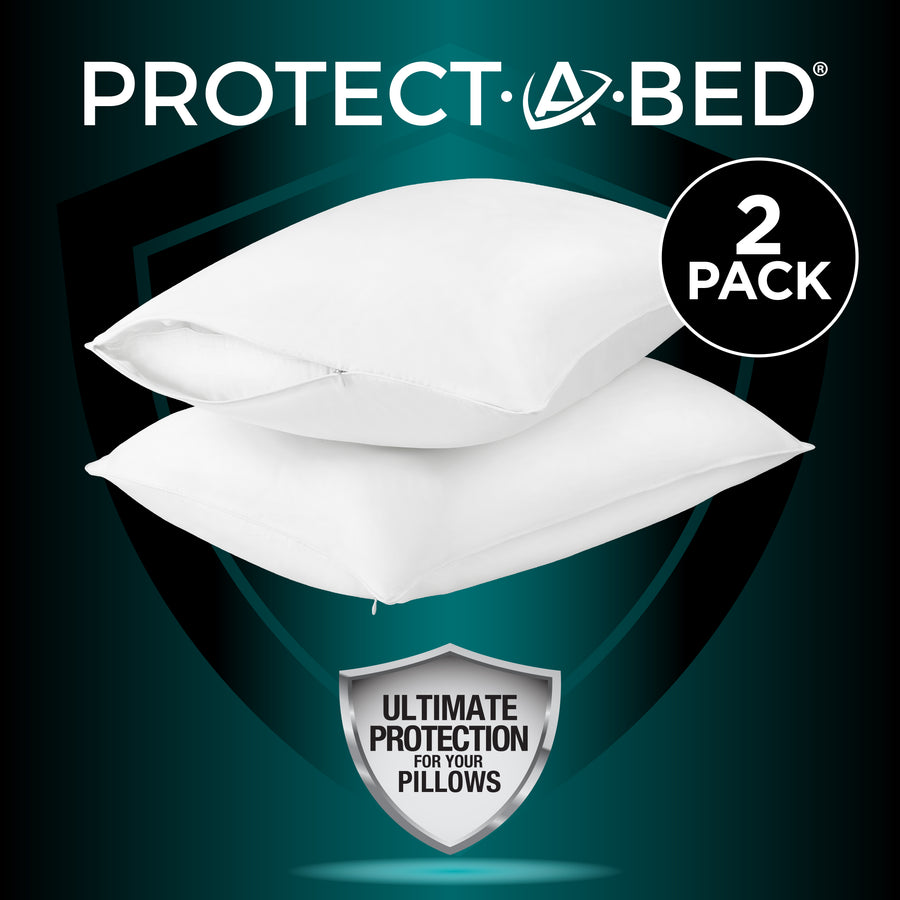 Protect-A-Bed AllerZip | for full-coverage protection | 2-pack; select pillow sizeLiquiDry waterproof layer; zippered enclosure | Find product |
06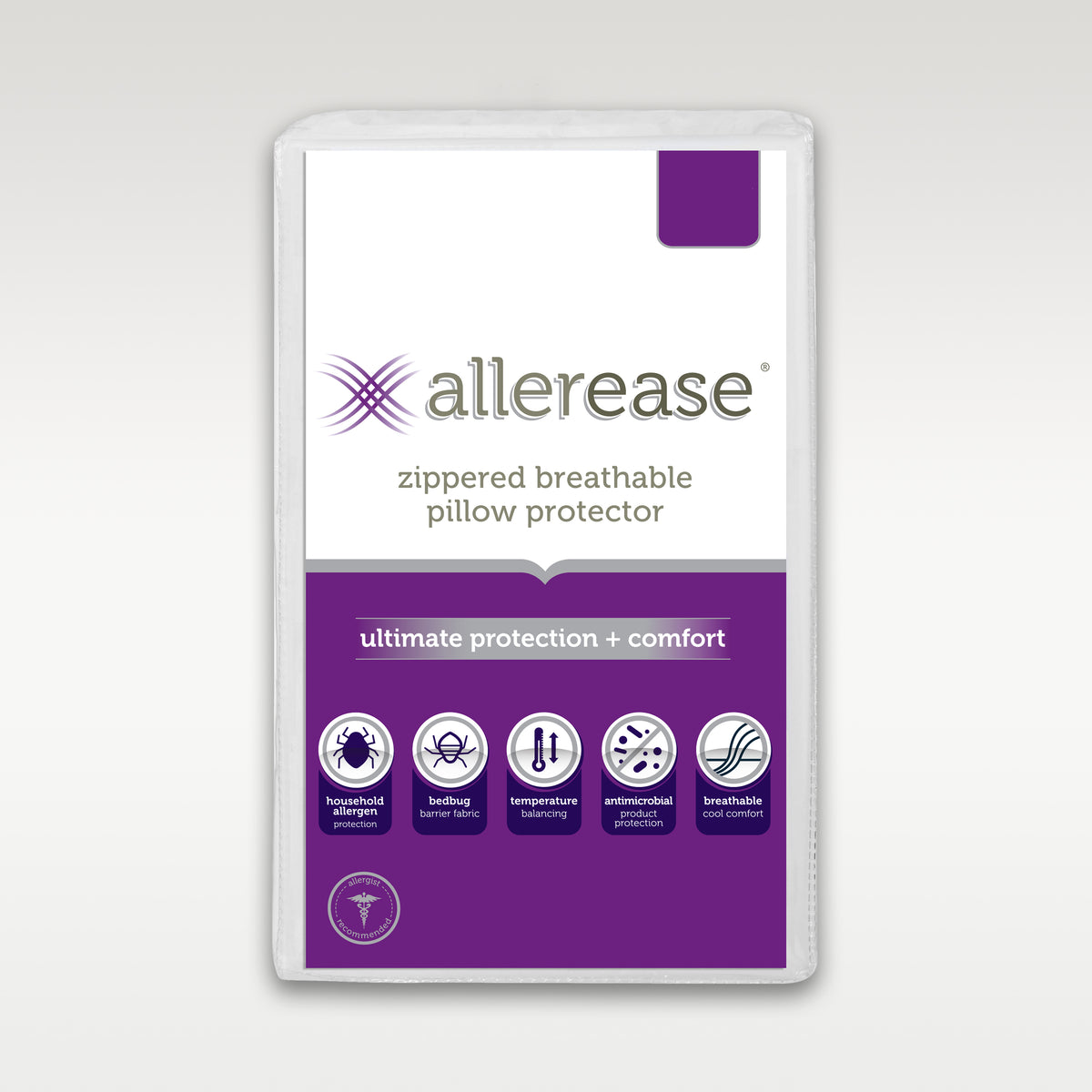 AllerEase Ultimate | synthetic fabric alternative | Ultimate; select size88% polyester, 12% nylon | Find product |
| 07Avocado Quilted | quilted option | Standard rectangular shapeQuilted organic cotton; hidden zipper | Find product |
Amazon buttons open product-specific search results, not verified live offers. Check the exact formula or model, size, quantity, seller and availability. We do not display unverified prices or star ratings.
Showing all 7 products
Our 7 picks, reviewed in detail
“Best for” reflects our editorial assessment of documented features and intended uses. These are research-based recommendations, not results from hands-on product testing.
Coop Sleep Goods Ultra-Tech Pillow Protector
A washable moisture barrier with shape options that help match the pillow underneath.
- Selected version
- Classic shape; select Queen or King
- Key details
- Polyester/rayon blend with polyurethane backing
Coop Ultra-Tech is our first recommendation when the central requirement is a waterproof layer. The maker describes a polyester and rayon-from-bamboo blend with polyurethane backing and offers more than one pillow shape. That gives you a useful decision to make beyond the usual standard-versus-king choice: whether the protector follows the outline of the pillow you already like.
We would prioritize the correct shape and dimensions before comparing its comfort claims. The Classic, Crescent and Cut-Out versions are not interchangeable descriptions, and pack quantities can differ. Coop markets the fabric as quiet and breathable, but we have not measured those qualities. A waterproof backing also deserves careful laundering; check the instructions for the selected version instead of treating it like an ordinary cotton pillowcase.
+ Why consider it
- Waterproof backing is documented
- Multiple pillow-shape options
- Machine-washable construction
− Keep in mind
- Shape and size need matching
- Comfort and cooling claims were not independently tested
Our verdict: A useful starting point for protecting a favorite pillow from everyday moisture.
Match the protector shape to the pillow before selecting the size or pack count.
SureGuard Cotton Terry Pillow Protectors
Two zippered covers with a cotton-terry surface and clearly stated dimensions.
- Selected version
- Standard, set of 2
- Key details
- Cotton terry surface with waterproof backing
SureGuard is worth comparing if you are covering a pair of conventional pillows. The selected cotton-terry pack contains two standard protectors, with listed dimensions of 21 by 27 inches. Its waterproof backing and full zippered enclosure give it a different purpose from a plain woven cotton cover. The brand also sells a smooth-cotton version, so check which texture is actually in your cart.
The terry surface may appeal if you prefer that familiar towel-like texture beneath a pillowcase; it is not the same feel as sateen. Measure a thick or gusseted pillow rather than assuming the standard name is enough. Care is another important distinction: SureGuard directs users to low or no dryer heat and warns against bleach. Those requirements matter more to daily usefulness than an unverified promise of universal comfort.
+ Why consider it
- Two protectors in the selected pack
- Cotton terry contact surface
- Published sizing and care guidance
− Keep in mind
- Terry texture differs from smooth covers
- Waterproof backing needs careful washing and drying
Our verdict: A practical pair to compare when liquid protection is the priority for two pillows.
Check that the listing says cotton terry if that is the version you want.
Parachute Cotton Pillow Protector
A straightforward cotton cover for readers who prefer a fabric layer over a waterproof membrane.
- Selected version
- Standard
- Key details
- 100% cotton barrier fabric; nylon zipper
Parachute keeps the specification relatively simple: cotton barrier fabric, a nylon zipper and a machine-washable cover. That makes it a useful candidate when your goal is an additional washable layer without choosing a product primarily for waterproofing. The standard size is listed at 20 by 26.5 inches, so it is worth comparing those measurements with your pillow rather than assuming every standard cover is identical.
We would choose this style for its fabric construction and straightforward role, not as a solution for frequent liquid accidents. Parachute presents it as an allergen barrier, but we have not verified exclusion performance or symptom benefits. If moisture is the main issue, choose a product with a specific waterproof layer instead. Also confirm the quantity supplied; a product photographed on a complete bed is not necessarily sold as a pair.
+ Why consider it
- 100% cotton construction
- Nylon zip closure
- Simple machine-washable design
− Keep in mind
- Not selected as a waterproof option
- Check dimensions and unit quantity
Our verdict: A sensible cotton choice when basic washable protection is enough for your routine.
Compare the listed length with the pillow itself, especially if it is generously filled.
Brooklinen Pillow Protector Set
A sateen cover with an unobtrusive zipper for a neatly finished inner layer.
- Selected version
- Standard set
- Key details
- 500-thread-count sateen; concealed zipper
Brooklinen is a good shortlist option if you favor a smooth fabric cover and a concealed closure. Its product information describes a 500-thread-count sateen construction with an invisible zipper, intended to sit between the pillow and its outer case. The standard size guide lists 20 by 27 inches, which should be checked against your pillow’s dimensions and loft.
A high thread-count number is a specification, not evidence that this cover will feel better to every sleeper. Brooklinen also lists an antimicrobial coating; that should not be taken as a reason to skip regular laundering or a promise of protection against illness. We place it in the fabric-cover group rather than the waterproof group. Readers protecting against recurrent spills should compare the membrane-backed selections instead of relying on general stain-protection language.
+ Why consider it
- Smooth sateen construction
- Concealed zipper closure
- Published standard and king measurements
− Keep in mind
- Not chosen for waterproof protection
- Antimicrobial finish does not replace washing
Our verdict: Worth considering when a smooth, neatly finished fabric layer is the main preference.
Confirm the current set quantity and size before comparing it with single-cover prices.
Protect-A-Bed AllerZip Pillow Protector
A waterproof encasement pair with a documented barrier design and specific washing instructions.
- Selected version
- 2-pack; select pillow size
- Key details
- LiquiDry waterproof layer; zippered enclosure
AllerZip is the option to examine when you want an enclosure built around protection on all sides. Protect-A-Bed describes its LiquiDry waterproof layer, zip closure and a two-pack format, with standard, queen and king choices. Its current page also documents hot-water washing, making the care instructions an important part of the comparison for someone replacing an older protector.
The product has an antimicrobial treatment intended for the fabric, not a medical benefit for the sleeper. Keep that distinction clear when comparing the marketing. A complete barrier also depends on the zipper being properly closed and the cover remaining intact; leaving a gap can defeat the intended design. We have not tested liquid resistance, insect exclusion or overnight noise. Use the exact version’s label when choosing wash and dryer settings.
+ Why consider it
- Waterproof layer on all sides is documented
- Two-pack format
- Manufacturer supplies explicit care guidance
− Keep in mind
- Closure and condition matter to barrier performance
- Fabric treatment is not protection against illness
Our verdict: A focused option for readers seeking an explicitly waterproof, fully enclosed cover.
Check the zipper and seams after washing before putting the cover back into use.
AllerEase Ultimate Allergy + Bed Bug + Comfort Pillow Protector
A zippered fabric option for readers who want an alternative to cotton.
- Selected version
- Ultimate; select size
- Key details
- 88% polyester, 12% nylon
AllerEase Ultimate is useful to compare because its fabric differs from the cotton options in this guide. The manufacturer lists an 88 percent polyester and 12 percent nylon blend, a zippered closure, and several conventional pillow sizes. We are referring to this Ultimate Allergy + Bed Bug + Comfort version, not assuming that similarly named Ultimate Cotton products have the same construction.
The brand promotes temperature-balancing technology and an antimicrobial finish, but we have not measured temperature changes or odor performance. The practical purchase decision is whether this particular fabric, closure and washing routine suit your pillow. It is not our selection for a specifically documented waterproof membrane. The published care instructions call for warm washing and low tumble drying, with no ironing; keep the label because versions and packaging can change.
+ Why consider it
- Synthetic alternative to cotton covers
- Full zippered enclosure
- Several conventional pillow sizes
− Keep in mind
- Similar Ultimate names can refer to different fabrics
- Temperature-balancing claims were not independently tested
Our verdict: A useful alternative when you prefer this synthetic fabric and can verify the exact version.
Read the fiber label rather than choosing by the Ultimate name alone.
Avocado Quilted Pillow Protector
A more substantial cotton layer for readers who want cushioning as well as everyday protection.
- Selected version
- Standard rectangular shape
- Key details
- Quilted organic cotton; hidden zipper
Avocado’s Quilted Pillow Protector is the most distinctive construction in this selection. The manufacturer specifies organic cotton, a sateen finish, diamond quilting and a hidden zipper. It describes the cover as adding structure and firmness, which is exactly the reason to consider it if a thin cover feels insufficient—and the reason to be cautious if your pillow is already tall or firm enough.
This is a quilted fabric protector, separate from Avocado’s waterproof model. The rectangular standard dimensions are listed at 19 by 25 inches, and shaped alternatives also exist, so check fit closely. Care takes more planning than a quick tumble dry: the maker directs users to wash gently in cold water and lay flat or hang to dry. Choose it for the extra layer you want, not because organic labeling guarantees a particular comfort result.
+ Why consider it
- Distinctive quilted cotton construction
- Hidden zipper
- Rectangular and side-sleeper shapes offered
− Keep in mind
- Can add firmness or structure to the pillow
- Flat or hanging dry takes planning
Our verdict: The clearest choice here for someone who intentionally wants a quilted layer.
Allow enough drying time or keep a spare cover for wash day.
How to choose the right pillow protector
1. Decide what you need the cover to do
For everyday dust, skin oils and handling, a washable fabric layer may be enough. If spills, drool or other moisture are the main concern, look for an explicitly waterproof design. Do not interpret words such as protective, premium or hypoallergenic as a substitute for a stated liquid barrier.
Choose by the problem you actually encounter. A spare-room pillow that needs occasional freshening may call for a different cover from an expensive pillow used nightly. For allergen-barrier products, examine the maker’s documentation and enclosure design. We have not tested allergen exclusion and do not promise that any cover will relieve symptoms.
2. Measure both the pillow and its shape
Standard, queen and king labels are useful shorthand, but listed dimensions vary. Record your pillow’s length and width, and allow for its loft or gusset. A cover that is too tight can compress the fill, pull on seams or leave the zipper under tension. A very loose one can bunch beneath your pillowcase.
Contoured and crescent pillows need extra attention. A rectangular cover may fit around them without following their shape, changing the feel that made you choose the pillow. Match a shaped protector where available and check whether the quoted measurements describe the cover or the intended pillow. Keep your usual pillowcase in the comparison too.
3. Balance the barrier with the feel
Waterproof protectors add a membrane; woven cotton covers and quilted covers work differently. Thickness, surface texture, air movement and fit can all affect how the finished pillow feels. A manufacturer’s quiet or breathable description does not tell you exactly what you will notice with your own pillow and bedding.
We do not rank these covers by measured cooling or noise because we have not performed those tests. If your current pillow already feels firm or tall, a substantial quilted layer may move it farther from your preference. If you want minimal change, start with a thinner construction and check the seller’s return conditions before opening or washing it.
4. Look at the zipper and seams
A full enclosure needs a closure that reaches its intended end position. Inspect the zipper track and the stitching when the cover arrives, and fit it without forcing the slider around an overfilled pillow. An opening, damaged seam or worn membrane can undermine the feature you paid for.
For a product marketed as a pest barrier, follow its specific closure instructions instead of leaving a gap for air. Do not assume an ordinary invisible zipper provides the same protection as a documented encasement system. A pillow cover is one item in a bedroom; it does not treat insects elsewhere in the room.
5. Choose a care routine you can keep
Read the protector’s instructions separately from the pillowcase and pillow labels. Different products allow different wash temperatures, bleaching agents and drying methods. A high dryer setting that suits a towel may damage a waterproof layer. Some quilted covers need to dry flat or on a line, which changes how quickly they can return to the bed.
Keep a spare if you cannot wait for a cover to dry completely. Washing several pieces together is convenient only when their labels allow the same routine. Avoid relying on one universal washing schedule: the maker’s directions, visible soil and spills should guide care. Put the protector back on only once both it and the pillow are dry.
6. Compare the whole purchase
Check whether the price buys one protector or a pair, and whether a pillow is included—it usually is not. Compare the exact size, material, zipper design, care requirements and return terms together. A low-cost cover that changes your pillow’s fit or cannot be dried conveniently may be less useful than a better-matched option.
Treat antimicrobial and organic labels as specific product information, not blanket performance guarantees. A fabric treatment does not remove the need to wash the cover. Organic cotton does not automatically make a cover waterproof. Keep the packaging and care label so you can identify the precise version if you later need a replacement.
7 practical tips
- Check the dimensions before ordering. Measure the pillow you own, including its loft and any shaped edges, rather than relying only on the size printed on the bed linen.
- Inspect before fitting. Look for damaged seams, a missing zipper stop or flaws in a waterproof backing while the cover is empty.
- Follow first-wash instructions. Use the method allowed by the exact cover. Do not copy another brand’s temperature or dryer setting.
- Fit without forcing. Ease the pillow into the corners and smooth the fabric before closing the zipper. Stop if the slider strains.
- Add your normal pillowcase. Use the protector as the inner layer, with a removable pillowcase over it for routine surface washing.
- Deal with moisture promptly. After a spill, remove wet bedding and check the pillow instead of assuming the cover has kept every part dry.
- Keep a clean spare. A second correctly sized cover makes it easier to wait until the washed protector is completely dry.
A few things you might be wondering
What is the best pillow protector for most people?
Coop Ultra-Tech is our overall starting point when a waterproof layer is the main goal. Parachute is a simpler cotton option for readers who do not need a liquid barrier. The best fit depends on your pillow, preferred feel and care routine.
Is a pillow protector the same as a pillowcase?
They have different roles. A protector normally sits directly around the pillow, while the pillowcase is the outer layer you sleep on and wash routinely. Some protectors add waterproofing or a documented barrier; an ordinary pillowcase should not be assumed to provide either.
Are all pillow protectors waterproof?
No. Cotton and quilted covers may protect against ordinary wear without blocking liquids. Check an explicit waterproof claim for the exact product. The comparison separates waterproof selections from fabric and quilted options.
Will a waterproof cover make my pillow warmer?
It can change the overall feel and airflow, but we have not measured temperature differences among these products. Your pillow fill, loft, outer pillowcase and room conditions also matter. A breathable marketing claim is not a guarantee that you will feel cooler.
Can I use a protector on a memory-foam pillow?
Check the pillow maker’s instructions and measure the shape carefully. A cover that squeezes a contoured or high-loft pillow can change its support. Being removable or washable does not mean the foam inside can be washed in the same way.
Can a pillow protector solve a bed-bug problem?
A suitable, intact encasement may be one part of a broader plan, but a cover alone does not address pests elsewhere in a room. Do not rely on the presence of a zipper as proof of a tested barrier. Follow product directions and seek appropriate pest-management advice for an active problem.
How often should I wash a pillow protector?
Follow its care label, wash after soiling or spills as appropriate, and keep washing the outer pillowcase routinely. Different protectors specify different methods and frequencies. Dry the cover fully before putting it back on.
Why do the shopping buttons open Amazon search results?
We researched manufacturer product information but have not verified live Amazon offers for all seven. Search links help locate the named product and carry our affiliate tag. If the exact model is unavailable, the manufacturer reference under each review provides another way to check its identity.
How we chose these products
We prepared this October 28, 2026 guide using manufacturer product information, specifications and care or usage instructions. We selected seven identifiable products to cover different practical needs and explain the limitations alongside the benefits.
The order is an editorial assessment of suitability. We have not physically tested these products, measured their performance or independently verified marketing claims. Prices, stock, packaging and formulas can change. The references under each review identify our sources; check the current instructions for the product you receive.
Manufacturer and product imagery is used to identify the selections. Amazon links are clearly labeled product searches and use our affiliate tracking ID; we have not verified live offers for every selection.
Keep the pillow you love feeling fresh.
Choose the barrier you need. Match the fit. Make care easy.
Back to the comparison ↑